
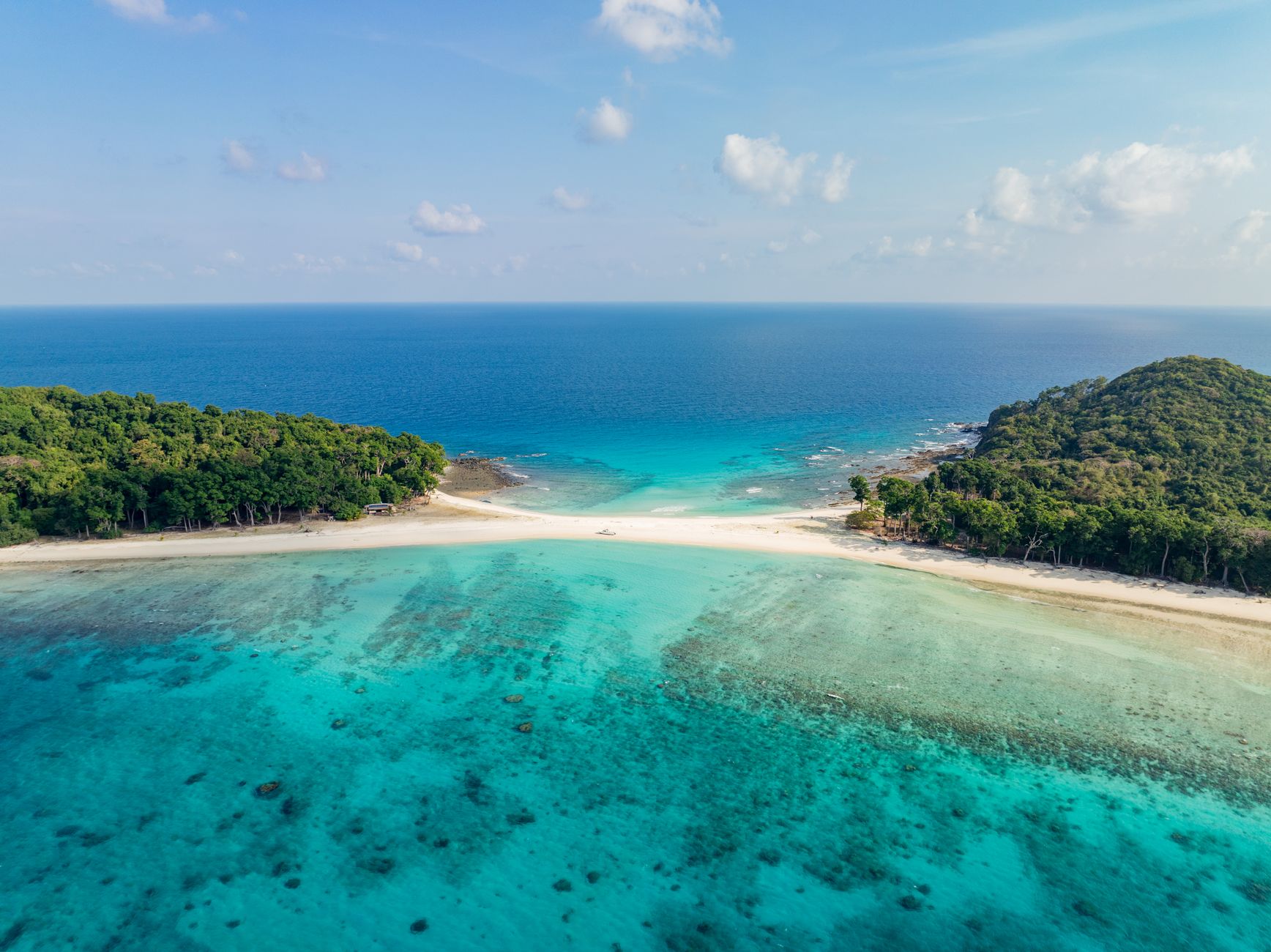
The biggest island in the world is Greenland, covering an area of about 2,166,086 square kilometers (836,331 square miles). Situated between the Arctic and Atlantic Oceans, it holds a unique blend of stunning landscapes, rich culture, and fascinating wildlife. This article dives into what makes Greenland a compelling destination for travelers.
From its dramatic fjords to its vibrant indigenous communities, Greenland offers a range of experiences for outdoor enthusiasts, culture seekers, and anyone looking to explore this remote part of the world. Whether you are considering a short visit or planning a multi-week itinerary, understanding Greenland’s offerings will help you make the most of your trip.
What Is The Biggest Island In The World?
The biggest island in the world is Greenland. Encompassing over 2.1 million square kilometers, it is significantly larger than any other island. This vast landmass is characterized by ice-covered landscapes, mountain ranges, and a small but vibrant population deeply connected to its natural surroundings. It’s an ideal destination for adventurous travelers.
Why Visit Greenland?
Greenland’s vast icy landscapes and unique culture make it worth a visit. The island’s stunning beauty offers adventure activities, from glacier hikes to whale watching. Travelers can immerse themselves in the indigenous Inuit culture, sample local cuisine, and experience the stunning Northern Lights in winter.
Who Should Visit?
Greenland is perfect for:
- Adventure Seekers: Activities like hiking, kayaking, and dog sledding abound.
- Cultural Explorers: Engage with Inuit communities and learn about their traditions.
- Wildlife Lovers: Observe marine mammals, arctic birds, and unique ecosystems.
Best Areas to Explore in Greenland
Greenland is vast, and certain areas stand out for their unique attractions and experiences.
South Greenland
Known for its lush fjords and Viking history, South Greenland is ideal for hiking and exploring small settlements. Qaqortoq, the largest town in this region, boasts colorful buildings, a vibrant market, and local craft shops. A boat tour to the stunning Hvalsey Church ruins, one of the best-preserved Norse ruins, is a must.
West Greenland
The capital city, Nuuk, is in West Greenland. It offers a combination of modern amenities and traditional Inuit culture. Explore the Greenland National Museum, where you can see artifacts from the island’s Viking and Inuit inhabitants. Beyond Nuuk, discover the breathtaking fjords and marine life by taking a boat cruise in the region.
East Greenland
This lesser-visited part of the island features rugged coastlines and striking landscapes. The town of Tasiilaq offers opportunities for hiking and glacier tours. Visitors can experience local life by staying in one of the nearby settlements or by engaging with the community through guided tours.
North Greenland
Home to stunning icebergs and unique wildlife, North Greenland is best known for the Ilulissat Icefjord, a UNESCO World Heritage site. The nearby town of Ilulissat serves as the gateway for boat trips to see glaciers calving into Disko Bay.
Must-See Attractions
Each region in Greenland offers its own set of attractions. Here are the highlights worth considering while planning your trip:
Ilulissat Icefjord
This stunning icefjord is filled with massive icebergs arriving from the Sermeq Kujalleq glacier. Considered one of the most active glaciers in the world, its breathtaking views make it a popular choice for photographers and nature lovers. Boat tours are available during the summer months.
Northwest Greenland and Disko Island
Disko Island, accessible from Ilulissat, promises lush greenery during summer and fascinating geological formations. Take advantage of hiking trails and spend a day exploring Qeqertarsuaq, the island’s main town.
South Greenland’s Viking Ruins
The area houses several ruins from the Viking era, such as the Hvalsey Church and the remaining vestiges of Brattahlid, the home of Eric the Red. Guided tours provide valuable insight into the Viking’s history in Greenland.
Nuuk and the Greenland National Museum
This museum showcases a wealth of artifacts, including mummies and cultural items that highlight the prehistoric cultures of Greenland. The vibrant city also offers restaurants, shopping, and the chance to experience the modern Inuit lifestyle.
Getting There and Getting Around
Planning your travel to Greenland requires a bit of extra effort, as direct flights are limited. Here’s how to get there and navigate once on the island.
How to Get There
Most international travelers arrive in Greenland via Reykjavik, Iceland, from where regular flights connect to Nuuk, Ilulissat, and Sisimiut. Major airlines servicing this route include Air Greenland and Atlantic Airways. It’s wise to book these flights well in advance, especially during peak season.
Getting Around within Greenland
Public transportation is limited. However, you can explore most towns by foot, and local boats access more remote areas. Helicopter services are also available for immediate transportation across larger distances, while smaller aircraft connect some towns.
Accommodation Options
Greenland’s accommodation ranges from hotels to guesthouses and unique lodges. Here’s a guide based on popular areas:
In Nuuk
Nuuk offers several hotels catering to various budgets. The Hotel Hans Egede provides comfortable lodging with stunning views of the sea. For budget travelers, guesthouses like the Nuuk Guesthouse offer a more affordable yet cozy option.
In Ilulissat
Ilulissat is popular for tourists visiting the Icefjord, and it has a range of accommodations such as Hotel Arctic, which is known for its excellent amenities and spectacular views. For something unique, consider the nearby guesthouses for a more local experience.
In Qaqortoq and Other Small Towns
Qaqortoq features several charming guesthouses and hotels that allow you to connect with the local community. Options include the Hotel Qaqortoq or smaller family-run B&Bs for a more intimate stay.
When to Visit Greenland
Timing your visit to Greenland can significantly affect your experience. The best months for different activities vary between summer and winter.
Summer (June to August)
Summer is peak travel season, with mild temperatures ranging from 5 °C to 15 °C (41 °F to 59 °F). This season is perfect for hiking, kayaking, and exploring towns as the long days provide ample daylight to enjoy activities. Boat tours and whale watching are also popular.
Winter (November to March)
Winter offers unique experiences, such as dog sledding and viewing the Northern Lights. However, temperatures can drop significantly, ranging from -10 °C to -30 °C (14 °F to -22 °F). This season attracts savvy travelers looking to experience Arctic wonders. Ensure you pack appropriately for the cold.
Budget Considerations
Traveling in Greenland can be expensive. Below are some key budget considerations to prepare for your trip:
Flight Costs
Flights to Greenland can fluctuate considerably based on the season and availability. Budget travelers should plan well in advance and be flexible with their travel dates to find the best deals.
Accommodation Prices
Accommodations can range significantly depending on location and amenities. Expect prices to soar in peak season, particularly in popular towns like Nuuk and Ilulissat. Booking early can help secure the best rates.
Daily Expenses
Daily expenses for food, activities, and local transport can be higher compared to many other travel destinations. Budget around 100-200 DKK ($15-$30) per meal and consider cooking for flexibility if you stay at self-catering accommodations.
Practical Tips for Traveling in Greenland
To ensure a smooth trip, consider these practical tips:
- Plan Ahead: Due to limited services and options, early planning is crucial.
- Pack Accordingly: Layering clothes is essential, as temperatures can fluctuate dramatically.
- Stay Connected: Wi-Fi can be scarce in rural areas; download maps and information beforehand.
- Respect Local Culture: Engage politely with local communities and be mindful of cultural sensitivities.
Accessibility and Safety Considerations
Greenland’s remote locations and varying terrains can present challenges for some travelers. Here’s what to keep in mind:
Accessibility
While many towns are accessible by flight or boat, remote areas may require more planning and flexibility. Be sure to research accessibility options if traveling with mobility constraints.
Travel Safety
While generally safe for travelers, precautions should still be taken. Weather conditions can change rapidly, so prepare for sudden shifts. If planning outdoor activities, inform someone of your plans and check local advisories.
Conclusion
Greenland, the largest island in the world, offers an unforgettable blend of adventure, culture, and striking natural beauty. With careful planning, exploring this extraordinary destination can lead to experiences that are both enlightening and thrilling. Start by researching flights to this Arctic wonderland, and get ready to create memories you’ll cherish for a lifetime.
Discover more about travel destinations and planning tips by exploring our guides on the Galapagos Islands and ABC Islands.