
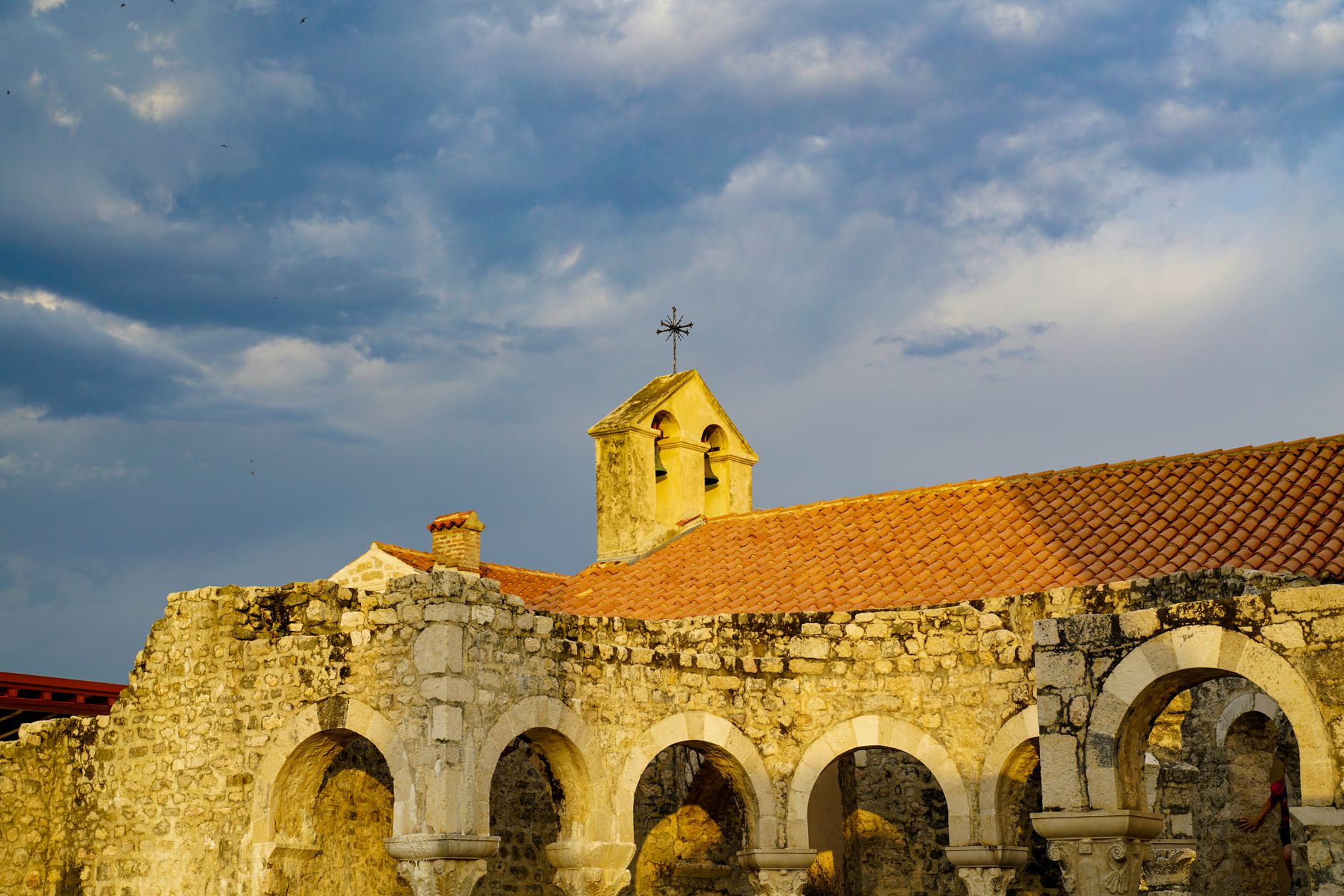
The Tomb of Jesus holds significant religious importance for Christians around the world. While scholars debate its exact location, most agree on the general vicinity found within Jerusalem. Traveling to this sacred site offers not only a unique spiritual experience but also a deep dive into the rich history and culture of one of the world’s oldest cities.
This guide covers where to find the Tomb of Jesus, the significance of the site, and practical travel tips for visiting Jerusalem. Whether you are on a pilgrimage or simply exploring ancient history, understanding the surrounding area is essential for a fulfilling visit.
Where Is The Tomb Of Jesus?
The Tomb of Jesus, believed to be located in the Church of the Holy Sepulchre in Jerusalem, is a central site of Christian pilgrimage. This site is historically tied to the crucifixion, burial, and resurrection of Jesus Christ, making it a significant destination for millions each year.
The Church of the Holy Sepulchre sits within the Christian Quarter of the Old City of Jerusalem. Inside, visitors can find the Aedicule, a small shrine that encases what is believed to be the actual tomb of Jesus. The identification of this site dates back to the fourth century AD when Emperor Constantine commissioned the church after conversion to Christianity.
Significance Of The Tomb
The Tomb of Jesus symbolizes resurrection and hope in Christian theology. According to Christian belief, Jesus was crucified, died, and was buried, but he rose from the dead three days later. This event is celebrated during Easter, making the tomb a focal point for many religious observances and pilgrimages.
Additionally, the Church of the Holy Sepulchre is an architectural wonder, featuring elements from different periods and styles, including Byzantine, Crusader, and Ottoman influences. The juxtaposition of faith and history makes this site profoundly significant for visitors, regardless of their religious affiliation.
Getting There
Reaching Jerusalem is your first step. The city is accessible via numerous international flights landing at Ben Gurion Airport, which is approximately 30 kilometers (about 19 miles) away from the city center. Many travelers opt for private transfers or shuttle services, but public transportation options such as buses and trains are also available and cost-effective.
Once in Jerusalem, visitors can navigate using local buses, taxis, or by walking, as many attractions are within close proximity to each other. The Old City is largely pedestrian, so be prepared for a bit of walking to reach various landmarks, including the Church of the Holy Sepulchre.
Best Times to Visit
The best time to visit Jerusalem, particularly the Tomb of Jesus, is during the spring (March to May) and fall (September to November) when temperatures are mild, and crowds are manageable. The summer months can be extremely hot, and the number of visitors may increase significantly around major Christian holidays like Easter and Christmas.
It’s also essential to consider local holidays and festivals, as these can affect opening hours and crowd sizes at the site.
Things to Do Nearby
The Church of the Holy Sepulchre is part of a rich tapestry of history, and visitors can explore numerous attractions in the vicinity:
- The Western Wall: A significant site for Jewish prayer and pilgrimage, located just a short walk from the church.
- The Dome of the Rock: An iconic Islamic shrine located on the Temple Mount, showcasing stunning architecture.
- Mount Zion: Home to King David’s Tomb and the Last Supper Room, this area is a blend of historical and religious roots.
- The Via Dolorosa: Known as the path Jesus took to his crucifixion, this route is marked by the Stations of the Cross.
Suggested Itinerary
For a fulfilling experience in Jerusalem, consider dedicating at least three days to absorbing the rich culture and history. Here’s a suggested itinerary:
Day 1: Exploring the Old City
- Start your day at the Western Wall, where you can participate in morning prayers or reflection.
- Visit the Dome of the Rock and explore its stunning architecture.
- Walk through the Old City’s markets, tasting local snacks like falafel and baklava.
- End your day at the Church of the Holy Sepulchre, taking your time to absorb the spiritual atmosphere.
Day 2: Cultural Immersion
- Visit the Israel Museum to view Jewish artifacts and ancient scrolls.
- Explore Yad Vashem, the World Holocaust Remembrance Center, for a powerful historical perspective.
- Stroll through the Mahane Yehuda Market, where locals shop for fresh produce and street food.
- Enjoy an evening at one of the local restaurants offering traditional Middle Eastern cuisine.
Day 3: Day Trip Options
- Consider a day trip to Bethlehem to visit the Church of the Nativity.
- Alternatively, take a trip to the Dead Sea for a unique floating experience and mud bath.
- Visit the ancient city of Jericho, known as one of the oldest inhabited cities in the world.
Where to Stay
Jerusalem offers various accommodation options, ranging from budget hostels to luxury hotels. Here are some recommendations based on traveler type:
- Budget Travelers: Hostels in the Old City provide affordable and central locations, such as Abraham Hostel.
- Mid-Range Options: Hotels like the New Imperial Hotel or the National Hotel offer comfort without breaking the bank.
- Luxury Stays: For a more upscale experience, consider the King David Hotel or the Waldorf Astoria, both known for their exceptional service and amenities.
Food and Drink Guide
Jerusalem is a culinary paradise, offering a mix of flavors from different cultures. Here are some food items and dining recommendations:
- Falafel: A staple street food, best enjoyed at places like Hanafi Falafel.
- Shawarma: Sample one of the iconic dishes at Moshiko Shawarma.
- Baklava: Don’t miss stopping by a local pastry shop for this sweet treat.
- Local Wines: Try wines from the region at various restaurants featuring extensive wine lists.
Transportation Tips
Getting around Jerusalem is straightforward, but here are some tips to make your travels smoother:
- Walking: Many of Jerusalem’s key sites are within walking distance of each other, making walking a convenient option.
- Buses: Public buses are available and relatively inexpensive, with routes covering the main attractions.
- Taxi Services: Use local taxis or rideshare apps for door-to-door service, particularly when traveling farther out.
- Trams: The light rail tram offers another efficient transport option across key areas.
Budget Considerations
Traveling to Jerusalem can be managed on different budgets. Here is a rough breakdown:
- Accommodation: Budget travelers might spend around $30-60 per night in hostels, while mid-range hotels might charge $100-200.
- Food: Expect to spend around $15-30 per meal at local restaurants, with street food being more economical.
- Attractions: Most sites have minimal entrance fees, if any, though guided tours may carry extra costs.
- Transportation: Factor in bus and taxi fares — public transport tends to be the most cost-effective.
Accessibility and Safety Considerations
Accessibility in Jerusalem varies by location, with many historical sites posing challenges. However, accommodations and transport options are increasingly becoming more accessible for those with mobility issues. When planning your visit, reach out to specific sites for information on wheelchair access.
Safety should always be a consideration. Jerusalem is a major tourist destination and generally safe for visitors. However, it’s wise to stay updated on local news and adhere to any travel advisories issued by your home country.
Final Tips
Before embarking on your trip to see the Tomb of Jesus, consider these final tips:
- Dress modestly, as many religious sites require appropriate attire.
- Be respectful of the diverse cultures and religions represented in the area.
- Stay hydrated, especially if visiting during warmer months.
- Plan your visit early in the day to avoid the crowds and enjoy a more reflective experience.
Jerusalem’s cultural and historical richness is unparalleled, and a visit to the Tomb of Jesus is a journey into the very heart of Christian faith. From the bustling markets to the serene holy sites, every aspect of your trip offers a glimpse into the past and a connection to the present.
To further explore your travel options, consider checking out related destination guides such as where to visit in Rome and great activities in Alexandria, Egypt. Enjoy your travels!