
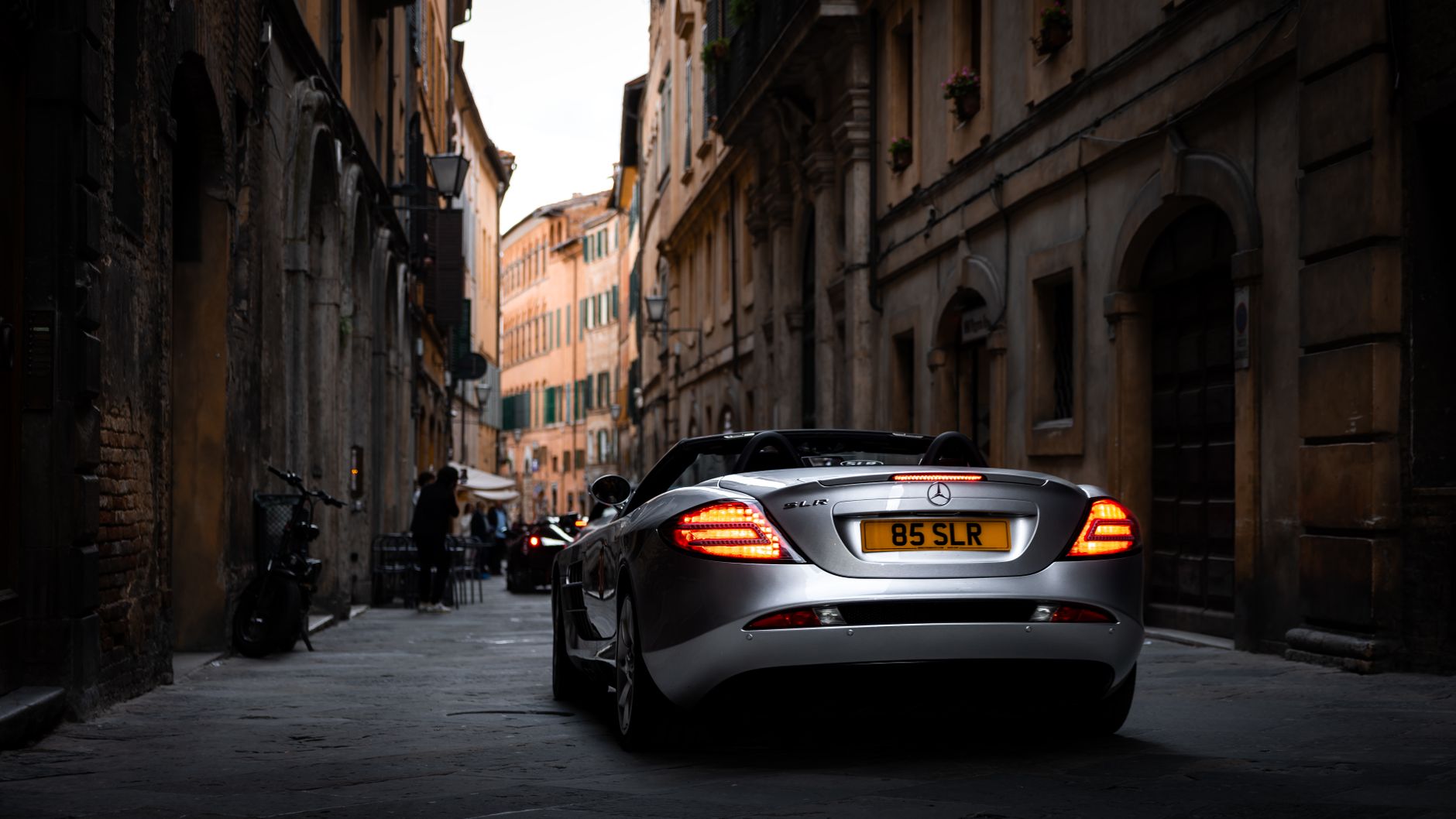
When planning a trip to Italy, understanding the driving rules is crucial, especially for travelers who wish to explore the stunning countryside or vibrant cities by car. One key consideration is knowing which side of the road vehicles drive on in Italy.
In Italy, vehicles drive on the right side of the road. This is in line with most of Europe and is important to remember when renting a car or navigating through busy urban areas.
What Side Of The Road Do They Drive On In Italy?
As mentioned earlier, in Italy, traffic drives on the right side. This means that the driver sits on the left side of the vehicle. If you’re coming from a country where driving is on the left, such as the UK, this may require an adjustment period.
Driving on the right may feel more familiar for many travelers, especially those from the USA or mainland Europe. However, understanding local driving customs and regulations is just as important as knowing which side of the road to drive on.
Understanding Italian Driving Rules
Aside from knowing which side of the road to drive on, there are several other driving rules in Italy that every traveler should be aware of. Here are some of the key guidelines:
- Seat Belts: Wearing seat belts is mandatory for all passengers in a vehicle. Failure to comply can result in fines.
- Speed Limits: The speed limits vary depending on the type of road. In urban areas, the limit is generally 50 km/h (31 mph), while on highways, it can reach 130 km/h (81 mph).
- Alcohol Limits: The legal blood alcohol limit is 0.5 g/L. For novice and professional drivers, the limit is zero.
- Mobile Phones: Using a mobile phone while driving is prohibited unless using a hands-free system.
- Roundabouts: Vehicles inside the roundabout generally have the right of way, which differs from some other countries.
Driving Etiquette in Italy
Italian driving culture can be quite different from what many travelers are used to. Here are some practical tips to navigate the roads more effectively:
- Be Alert: Italian drivers can be assertive, and it’s essential to stay aware of your surroundings.
- Use Your Horn Sparingly: Italians use horns more frequently than people in other countries, but avoid excessive honking unless absolutely necessary.
- Yielding: Always be prepared to yield to pedestrians, and make sure to watch for cyclists, particularly in urban areas.
Renting a Car in Italy
For those considering renting a car in Italy, here are some key steps and considerations:
Choosing a Rental Company
Italy is home to numerous rental car companies, including international brands like Hertz and Avis, as well as local companies. When selecting a rental agency, consider the following:
- Read reviews to gauge customer satisfaction.
- Compare prices between companies.
- Check their policies on fuel, mileage, and insurance options.
Documentation Needed
Travelers typically need a valid driver’s license and may also be required to show an International Driving Permit (IDP). It’s best to check with the rental company for specific requirements.
Picking Up Your Rental Car
When picking up your rental car, inspect the vehicle for any pre-existing damage and ensure that everything is documented properly. Check fuel levels and confirm what type of fuel the car requires.
Road Types and Conditions
Italy has a mix of road types, including motorways and scenic country roads. Understanding these will help you plan your route effectively:
Motorways (Autostrade)
Motorways are well-maintained and allow for faster travel between cities. Tolls are common; ensure you keep cash or a credit card handy for payment. The speed limit is usually 130 km/h (81 mph) unless otherwise posted.
Rural and Scenic Roads
Venturing onto rural roads can be an excellent way to see Italy’s stunning landscapes. Expect narrower roads, possibly with less maintenance, and be cautious of sharp turns and local traffic.
Navigating Italian Cities
Driving in cities can be a challenge. Here are some tips:
- Traffic Zones: Many cities, including Rome and Florence, have ZTL (Zona Traffico Limitato) areas where driving is restricted. Be aware of signs indicating these zones to avoid fines.
- Parking: Finding parking can be difficult. Use public parking lots where available and check for any fees.
- Public Transport Options: In many cities, public transport might be a better option than driving due to traffic congestion and parking issues.
Best Regions for a Road Trip
If you plan to drive, Italy offers some of the world’s most beautiful road trip routes. Here’s a brief overview of some of the best regions:
Tuscany
The rolling hills, vineyards, and charming villages make Tuscany a dream for road trippers. Routes connecting cities like Florence, Siena, and San Gimignano offer breathtaking views.
Amalfi Coast
The coastal drive along the Amalfi Coast is famous for its stunning cliffside views and colorful villages. Ensure to drive cautiously as the roads can be narrow and winding.
Lake District
The northern lakes, including Lake Como and Lake Garda, provide picturesque settings and delightful small towns to explore.
Tips for Driving in Italy
Here are some additional tips to help make your driving experience in Italy smooth and enjoyable:
- Learn basic Italian road signs. Knowing what they mean can help you navigate confidently.
- Purchase a map or use a GPS. A physical map can be especially useful in rural areas with less mobile service.
- Consider your travel itinerary. Avoid driving after dark to prevent any unexpected challenges.
Alternatives to Driving
If driving isn’t your preferred option, Italy offers a variety of effective public transportation alternatives:
Trains
Italy has an extensive train network. High-speed trains connect major cities like Rome, Milan, and Florence, making train travel efficient and enjoyable.
Buses
Local and intercity buses are available and can take you to places not serviced by trains. They are typically less expensive than trains.
Bicycles
In many cities, cycling is a pleasant way to explore. Look for rental services that offer bikes for the day.
Safety Considerations for Driving in Italy
While driving in Italy can be an adventure, safety should always be a priority. Here are practical safety tips:
- Stay within speed limits and adjust your driving according to weather conditions.
- Keep emergency numbers handy, including the local police and road assistance services.
- Carry insurance information and ensure you are familiar with what to do in case of an accident.
When to Visit and Driving Conditions
The best time to drive in Italy is during the spring (April to June) and fall (September to October). These seasons offer mild weather and fewer tourists. Here’s how weather can impact driving conditions:
- Summer: Expect heavy tourist traffic, especially in popular areas. Also, be prepared for higher temperatures.
- Winter: In northern regions, snow can affect driving, so check road conditions and ensure your vehicle is equipped accordingly.
Final Thoughts
Driving in Italy can be a rewarding way to explore its stunning landscapes and historic sites. Understanding the local driving customs, rules, and road types is essential for a smooth journey.
With this guide, you should feel more comfortable navigating the roads of Italy. Pack your cravings for adventure and be ready to traverse a country known for its rich history, picturesque scenery, and culinary delights. Ensure to plan ahead, and soon you’ll be enjoying the open roads of Italy.
Explore more travel resources and guides such as Does it Snow in Italy and What is France Known For to enhance your travel planning.